1. Blog
  2. Article

Canonical
on 24 March 2010

Ada Lovelace and the Turing Test


In Computing Machinery and Intelligence, Alan Turing describes the famous Turing test for detecting machine intelligence. Did you know that Turing’s thesis was heavily influenced by Ada Lovelace’s critique of Babbage’s Analytical Engine, wherein she states that “the Analytical Engine has no pretensions to originate anything,” arguing that computing machines do not exhibit creativity? You can read more about Lovelace’s critique of the possibility of machine creativity, and how this critique informed Turing’s work on machine intelligence in my paper, Computing Machinery and Creativity.

Happy Ada Lovelace Day!

Related posts


Kola Ojoodide
26 June 2026

Challenges designers face in open source (and how to fix them)

Design open source

Open source powers up to 90% of modern software, yet many projects lack usability. Canonical’s Design team surveyed 115 cross-functional professionals to uncover the 4 core challenges UI/UX designers face when contributing, and how maintainers can solve them. ...


Nina Rojc
16 June 2026

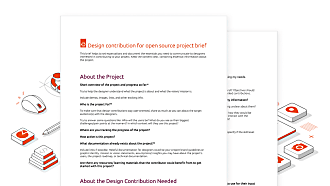
Template: Streamlining open source design contributions

Design Ubuntu tech blog

As designers working at Canonical, we’re always thinking about open source. We believe that encouraging more designers to contribute to open source  benefits everyone, from the project maintainers to the end users themselves.   In the 2025 edition of FOSSBackstage conference, we presented our research findings on  why designers don’t get ...


Miguel Divo
22 May 2026

Decoding design: How design and engineering thrive together in open source

Design Ubuntu tech blog

Open source thrives on engineering-driven processes. Fast feedback loops, terminal tools, Git workflows: they’re the lifeblood of how we build software in the open. But for software to truly excel, we need to create user experiences that empower people to use them. I wanted to bring this conversation into the spotlight as part of Canonica ...